Common baby health issue
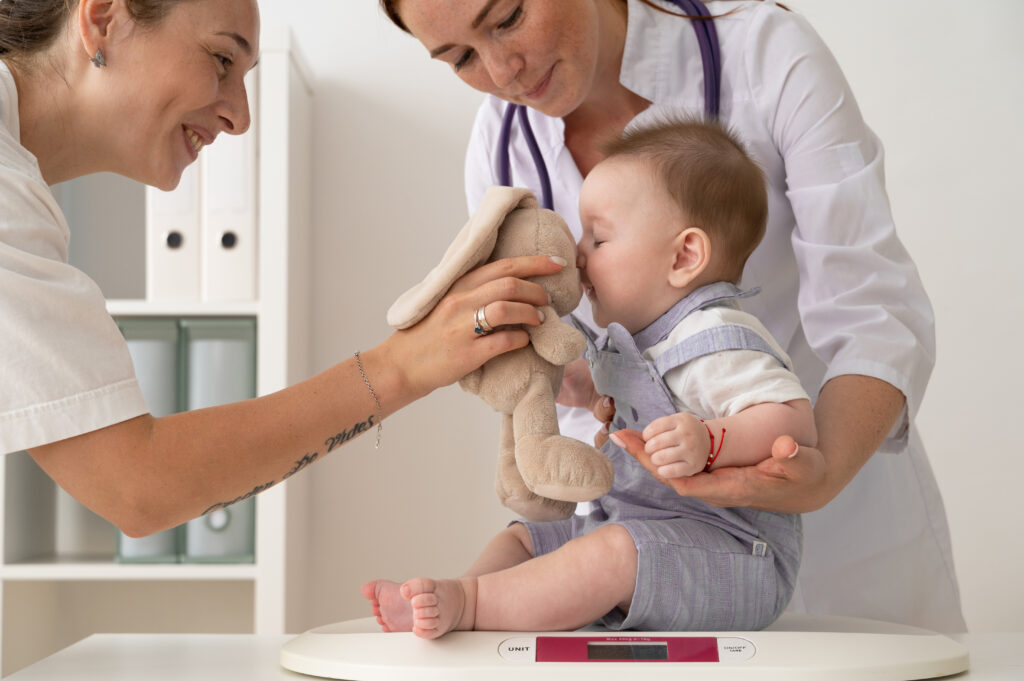
Babies have delicate immunity, so minor health problems are quite common in the early months. Some of the most frequent baby health issues include cold and cough, mild fever, diaper rash, colic, gas, and skin allergies. Teething can also cause irritability, drooling, and slight temperature rise. Many babies face digestion-related problems like constipation or loose motions due to feeding changes. While most of these conditions are normal and temporary, parents should always monitor symptoms carefully. Maintaining hygiene, proper feeding, and regular pediatric checkups can help prevent many common baby illnesses. If symptoms like high fever, continuous vomiting, dehydration, or breathing difficulty appear, immediate medical attention is important to ensure the baby’s safety and healthy development.
Baby First Aid

Knowing basic first aid for babies is essential for every parent, as emergencies can happen anytime. Baby first aid includes simple but life-saving steps like handling choking, minor burns, cuts, fever, and falls. If a baby is choking, gentle back blows and immediate response are crucial. For minor cuts or bruises, clean the area with mild antiseptic and keep it covered. In case of fever, keep the baby hydrated and monitor the temperature regularly. Burns should be cooled under running water and not treated with home remedies. Parents should always keep a baby first aid kit ready with essentials like a thermometer, antiseptic cream, bandages, and saline drops. While first aid helps manage minor injuries, it is important to seek medical help immediately if symptoms look serious or the baby seems unusually uncomfortable.
Vaccination Schedule

A baby vaccination schedule is essential for protecting infants and young children from serious and life-threatening diseases. From birth to early childhood, vaccines are given at specific intervals to build strong immunity. At birth, vaccines like BCG, Hepatitis B, and Polio are usually recommended. Follow-up vaccines are given at 6, 10, and 14 weeks, including DPT, Polio, Rotavirus, and other essential immunizations. Around 9 months, the Measles vaccine is important, while MMR and booster doses are given between 12 to 15 months and later. Staying on track with the recommended vaccination schedule helps prevent infections, supports healthy development, and ensures long-term protection. Parents should keep a vaccination record and consult their pediatrician regularly to avoid missing any dose.
Fever, cold & Cough Care
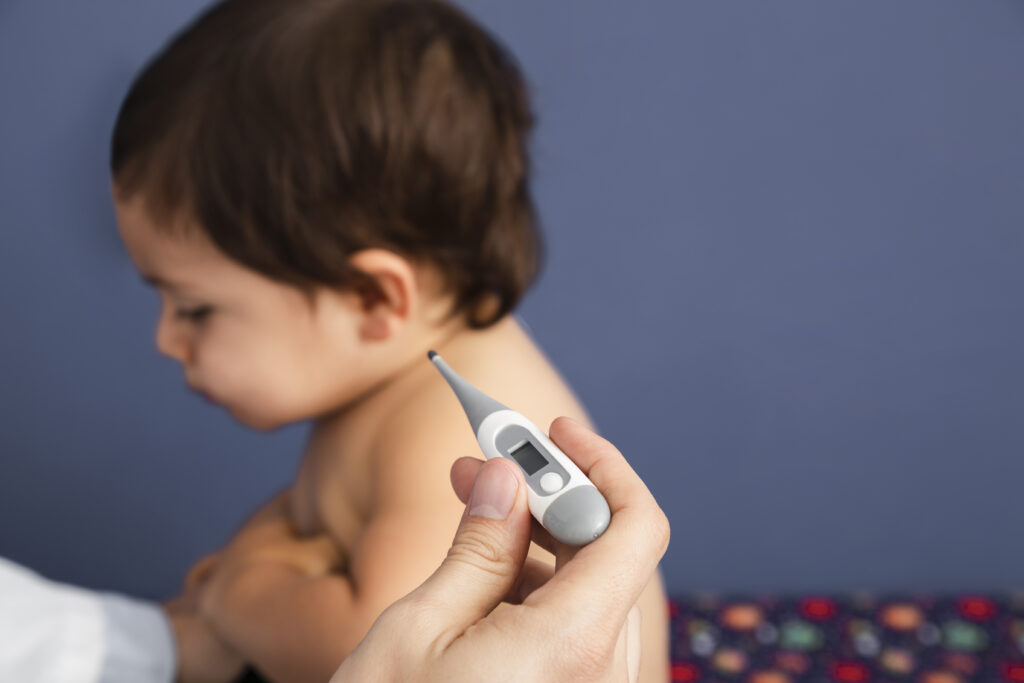
When a baby has fever, cold, and cough, gentle and safe care is very important. Always keep the baby well hydrated with breast milk or formula, as fluids help the body fight infection and prevent dehydration. Dress your baby in light, comfortable clothes and keep the room warm but well ventilated. For a blocked nose, use saline drops and a soft nasal aspirator to help the baby breathe easily. Steam in the room (not direct steam on baby) can also provide relief from congestion. Monitor the baby’s temperature regularly and give only doctor-recommended medicine if needed. Watch for warning signs like high fever, difficulty breathing, poor feeding, or unusual sleepiness. Proper hygiene, rest, and timely medical advice ensure faster recovery and protect your baby’s health during fever, cold, and cough.
Doctor Visit Guide
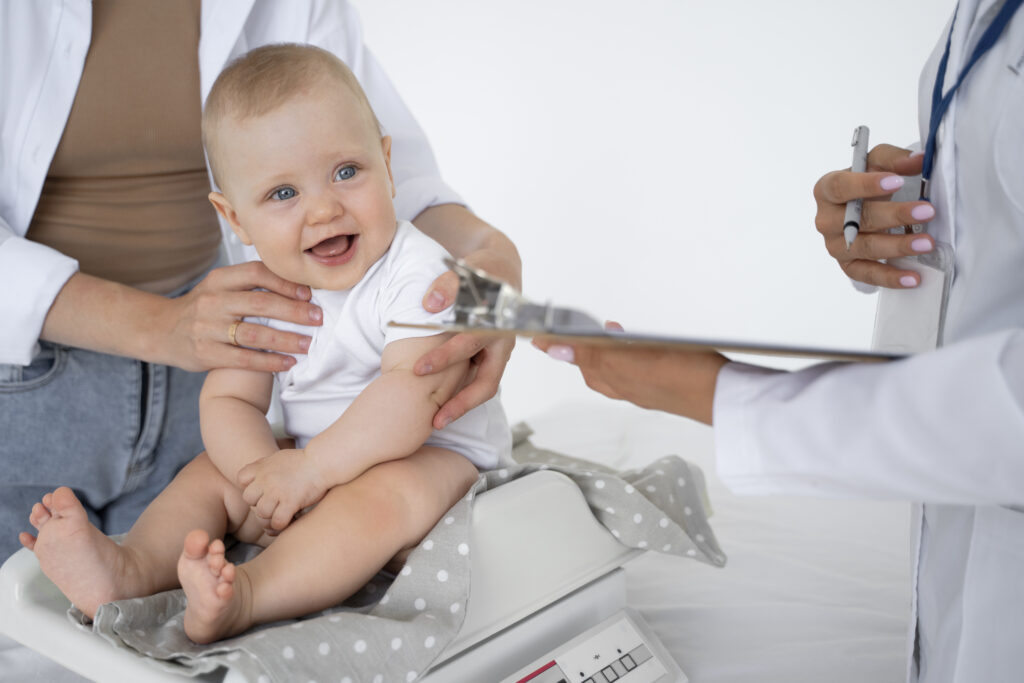
A baby’s doctor visit is an important part of healthy growth and early problem detection. Regular pediatric check-ups help track your baby’s weight, height, and development milestones while ensuring timely vaccinations and nutrition guidance. During each visit, parents can discuss feeding patterns, sleep routines, teething, skin issues, and behavior changes with the doctor. Preparing a small checklist of questions and carrying your baby’s medical records can make the visit smoother. Early and consistent doctor visits not only prevent health complications but also give parents confidence in caring for their baby’s overall well-being.