Breast Feeding Tips

Breastfeeding is one of the best ways to support your baby’s growth, immunity, and emotional bonding. To start successfully, ensure a proper latch by positioning your baby tummy-to-tummy and aligning their nose with your nipple. Feed on demand, usually every 2–3 hours, as newborns need frequent nutrition. Stay hydrated, eat a balanced diet, and rest whenever possible to maintain milk supply. Avoid stress and create a calm feeding environment to help let-down reflex. If you feel pain, cracked nipples, or low milk supply, seek guidance from a lactation consultant or pediatrician early. Remember, every mother’s journey is unique, so be patient with yourself and focus on comfort, consistency, and your baby’s hunger cues for a healthy breastfeeding experience.
Formula Feeding
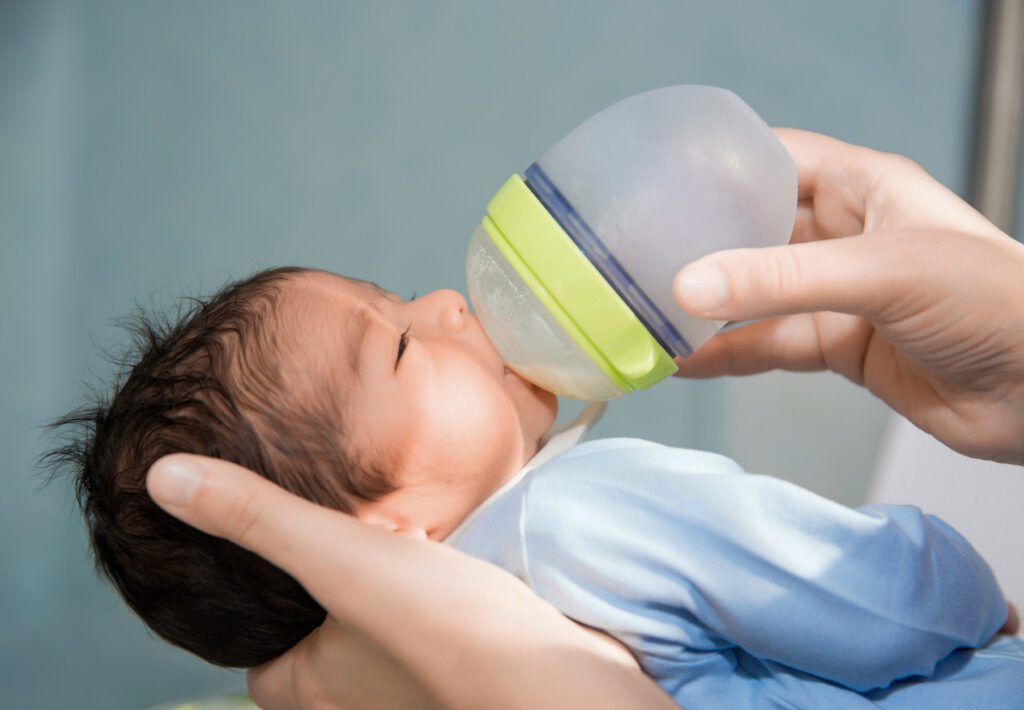
Formula feeding is a safe and healthy alternative when breastfeeding is not possible or when parents choose another feeding method for their baby. Infant formula is specially designed to provide essential nutrients like protein, vitamins, and minerals that support healthy growth and development during the early months. It is important to prepare formula exactly as instructed, using clean bottles and boiled, cooled water to maintain hygiene and prevent infections. Parents should feed the baby in a calm, upright position and never leave the bottle in the baby’s mouth unattended. Always choose age-appropriate formula and consult a pediatrician before switching brands or introducing new feeding routines. With proper care and preparation, formula feeding can help ensure your baby receives balanced nutrition and stays healthy.
Warning Signs & Solid Foods

Starting solid food is an exciting milestone in a baby’s growth, but parents should follow safe feeding guidelines. Most babies are ready for solids around 6 months of age, when they can sit with support and show interest in food. Always begin with soft, mashed, or pureed foods and introduce one new food at a time to watch for allergies. Avoid giving honey, whole nuts, salty snacks, and processed foods to babies under one year. Parents should also watch for choking hazards such as large food pieces and always supervise feeding time. Maintaining proper hygiene, using clean utensils, and feeding age-appropriate textures can help ensure a safe and healthy transition from milk to solid foods.
Healthy Food Baby Recipes
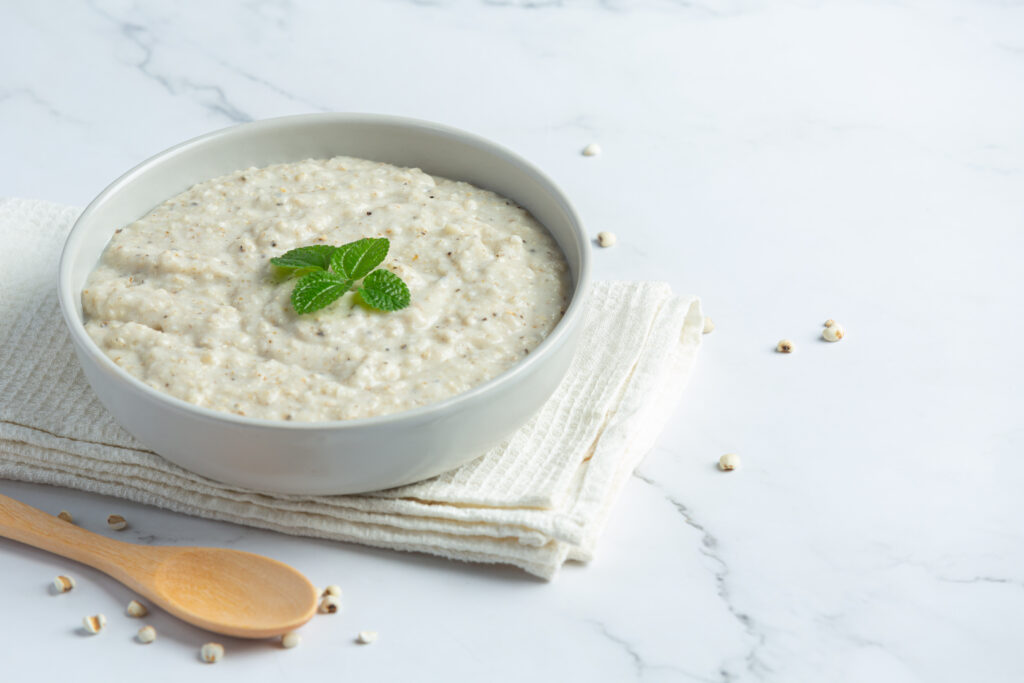
🥣 1. Rice Cereal (First Food – 6+ months)
Ingredients
- 1 tbsp rice
- Water
Steps
- Wash rice and dry it.
- Dry roast lightly and grind into powder.
- Take 1 tsp powder + water in pan.
- Cook on low flame till smooth and soft.
- Cool and feed.
👉 Easy to digest, best first solid food.
.
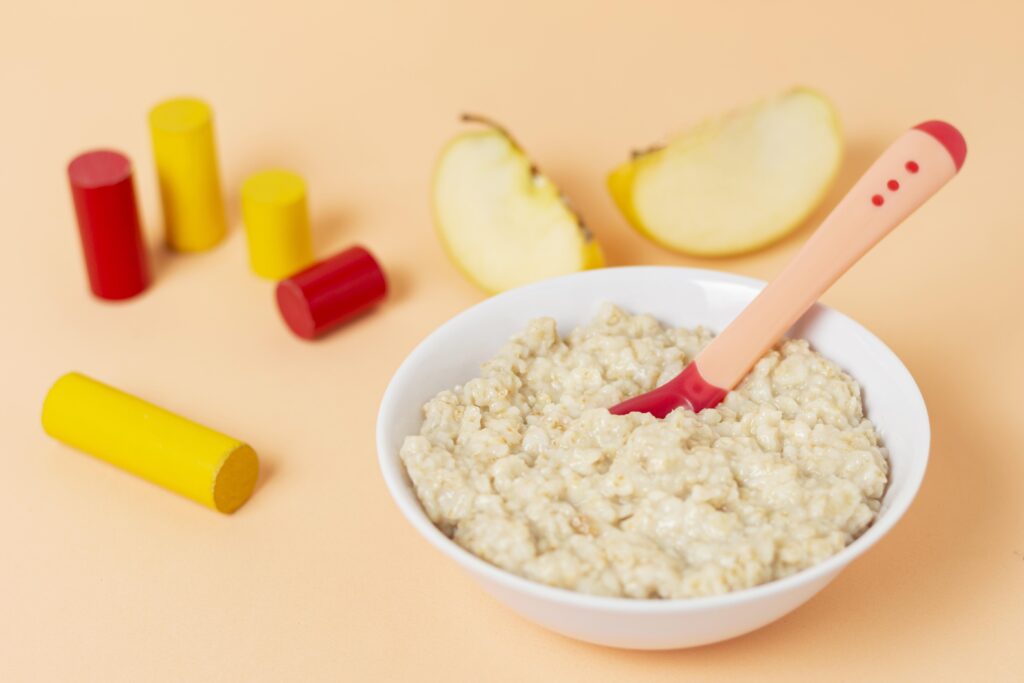
🍎 4. Apple Puree (6+ months)
Ingredients
- 1 apple
- Water
Steps
- Peel and chop apple.
- Steam or boil till soft.
- Blend or mash smooth.
- Serve lukewarm.
👉 Helps digestion.

🥣 7. Suji Porridge (7+ months)
Ingredients
- 1 tsp suji
- Water or milk
Steps
- Dry roast suji.
- Add water and cook on low flame.
- Stir continuously to avoid lumps.
- Cool and serve.
👉 Filling and tasty.
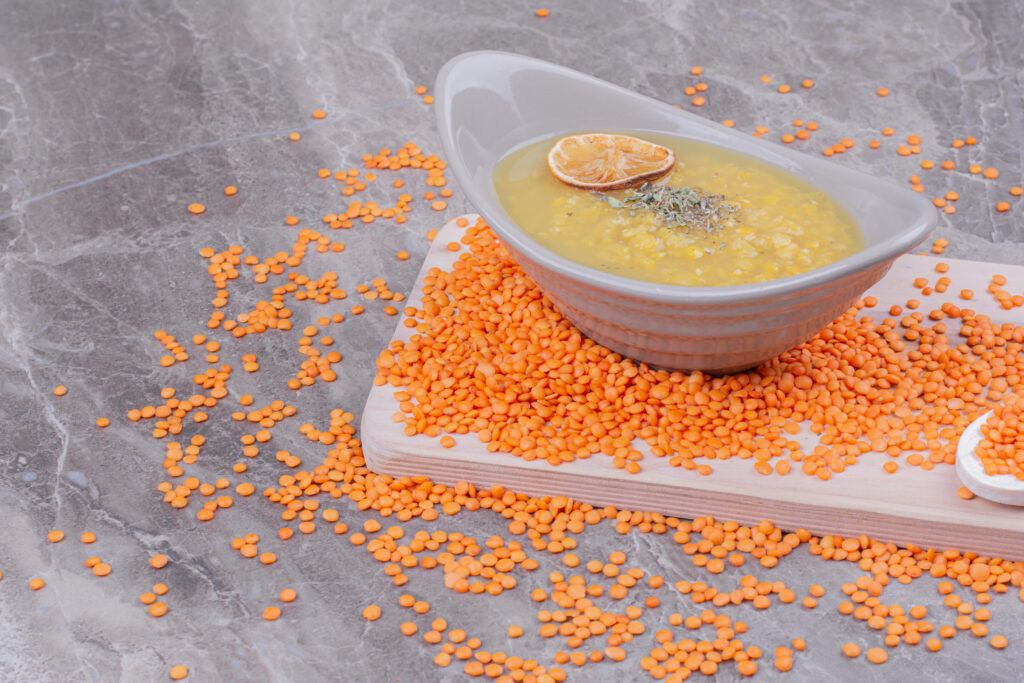
🥣 5. Dal Water (6–7 months)
Ingredients
- 2 tbsp moong dal
- Water
Steps
- Wash dal and pressure cook with water.
- Strain thin liquid.
- Feed warm.
👉 Protein-rich and light.
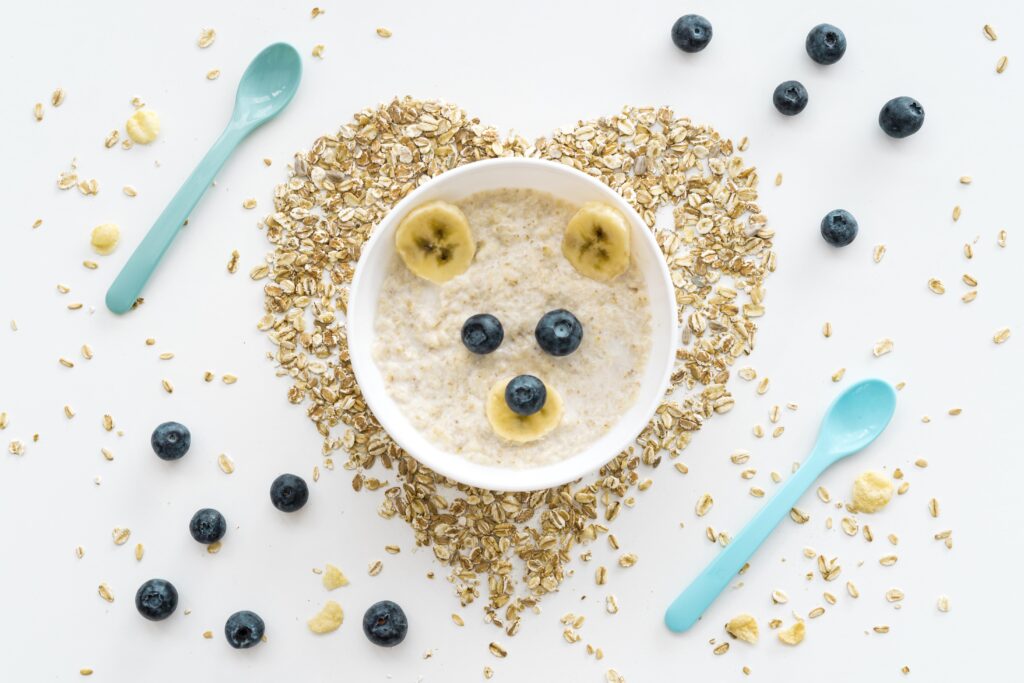
🥣 9. Oats Porridge (8+ months)
Ingredients
- 1 tbsp oats
- Water or milk
Steps
- Powder oats.
- Cook with water till soft.
- Add fruit puree if baby likes.
👉 High fiber, good for digestion.